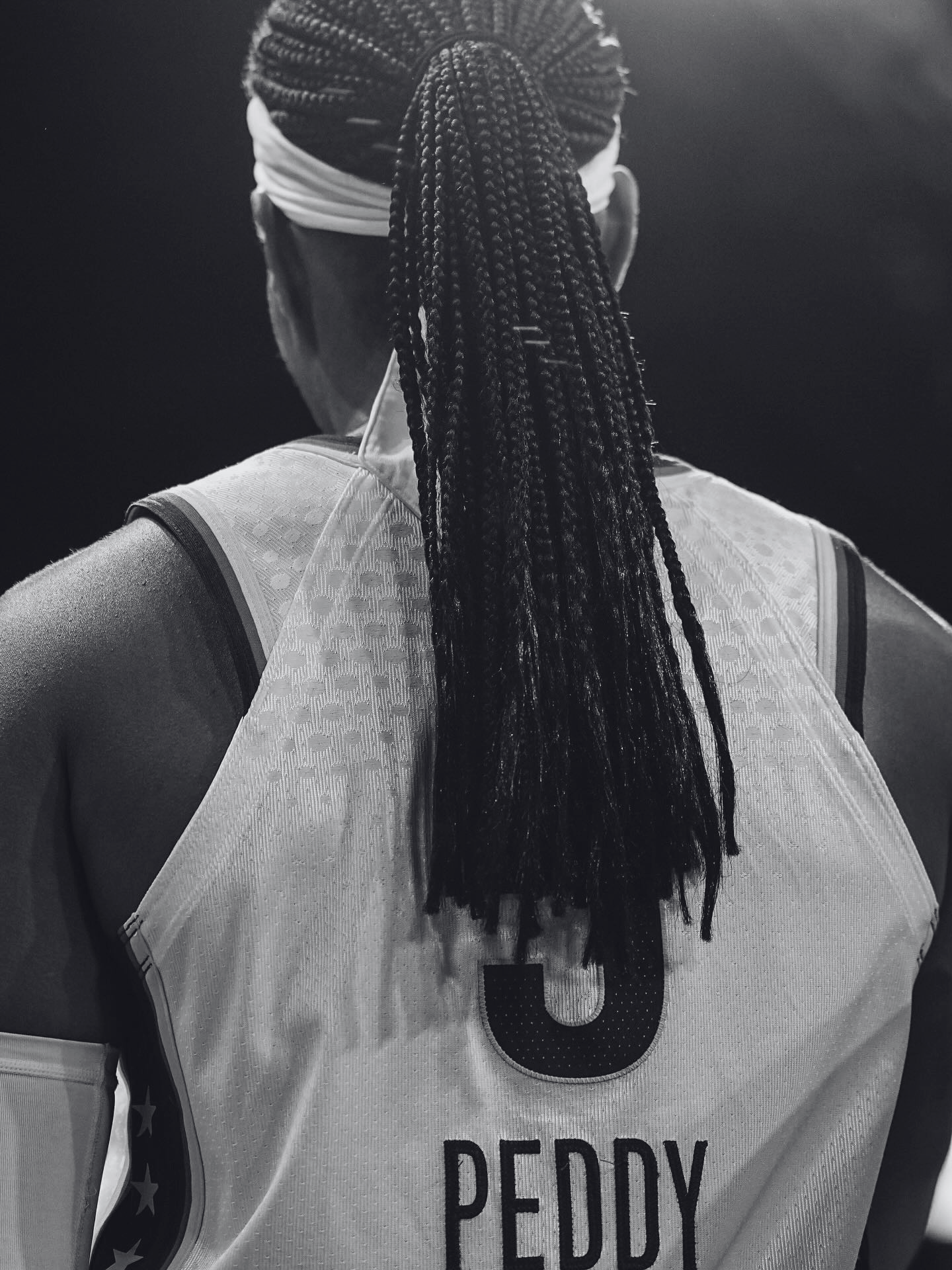
Shey Peddy was ready to walk away from basketball.
After years of playing professionally overseas, the game she'd loved since childhood no longer brought her the same joy. She wasn't enjoying herself anymore, and for the first time, she was seriously considering what life might look like without it.
Then, during a summer visit home to Boston, her young cousin came to visit from New Jersey.
He was ten years old and wanted Shey to teach him how to play basketball.
So she took him to the outdoor courts where she'd spent countless hours playing as a kid.
They worked through drills together, and Shey watched as he learned new skills and grew more comfortable with the ball. She remembers the smile on his face and how much she enjoyed watching him get better.
There was something about being back on those familiar courts, seeing the game through the eyes of someone who was just discovering it, that reminded her of the little girl she'd once been.
Before basketball became a career, before there were contracts or expectations, it had simply been something she loved to do.
"Watching him get better and seeing the smile on his face reminded me of why I started playing in the first place," she recalls. "I realized I still loved basketball. I just needed to find my way back to enjoying it."
Looking back, Shey believes that afternoon may have changed the course of her career.
"If he hadn't come to visit that summer, I honestly don't know if I would have kept playing."
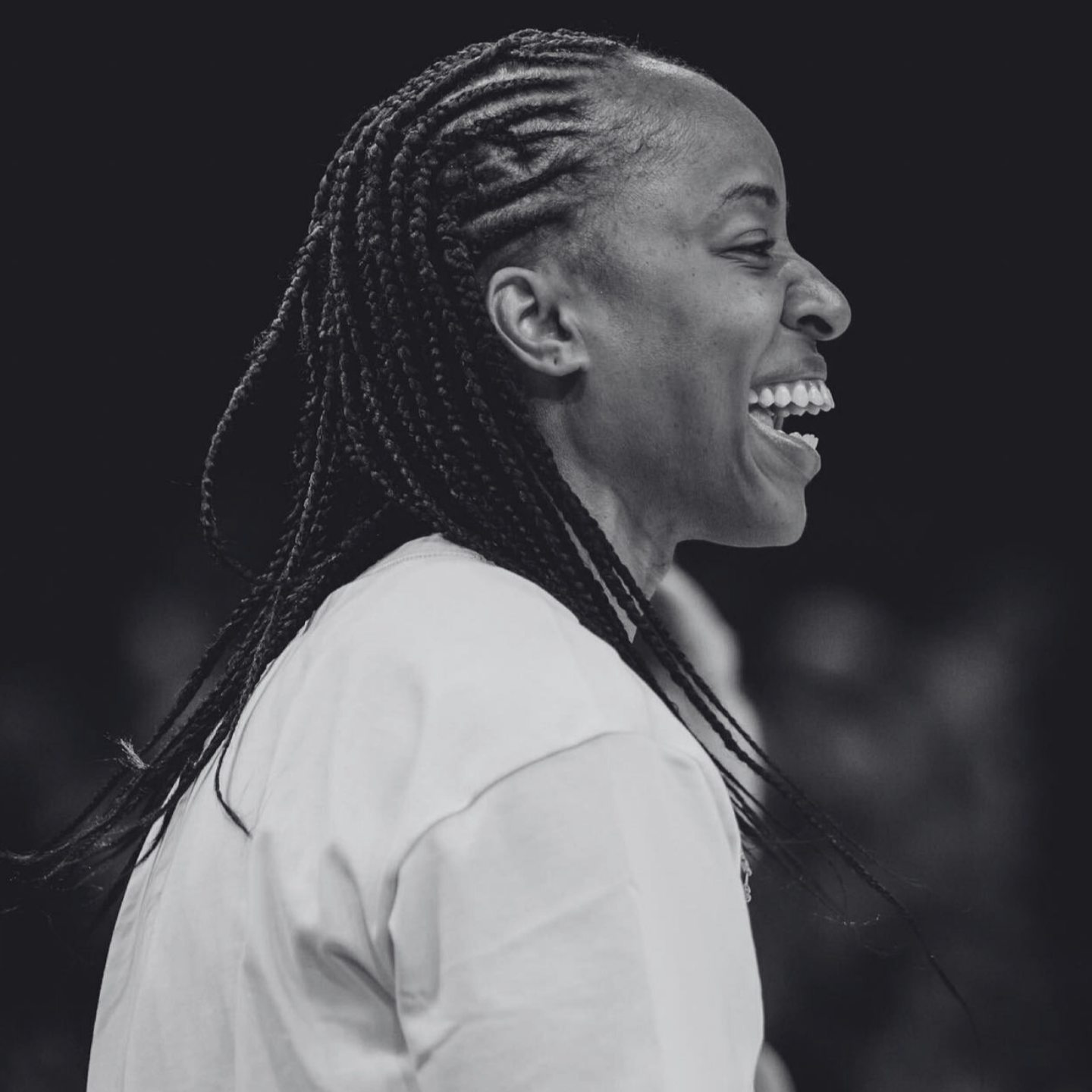
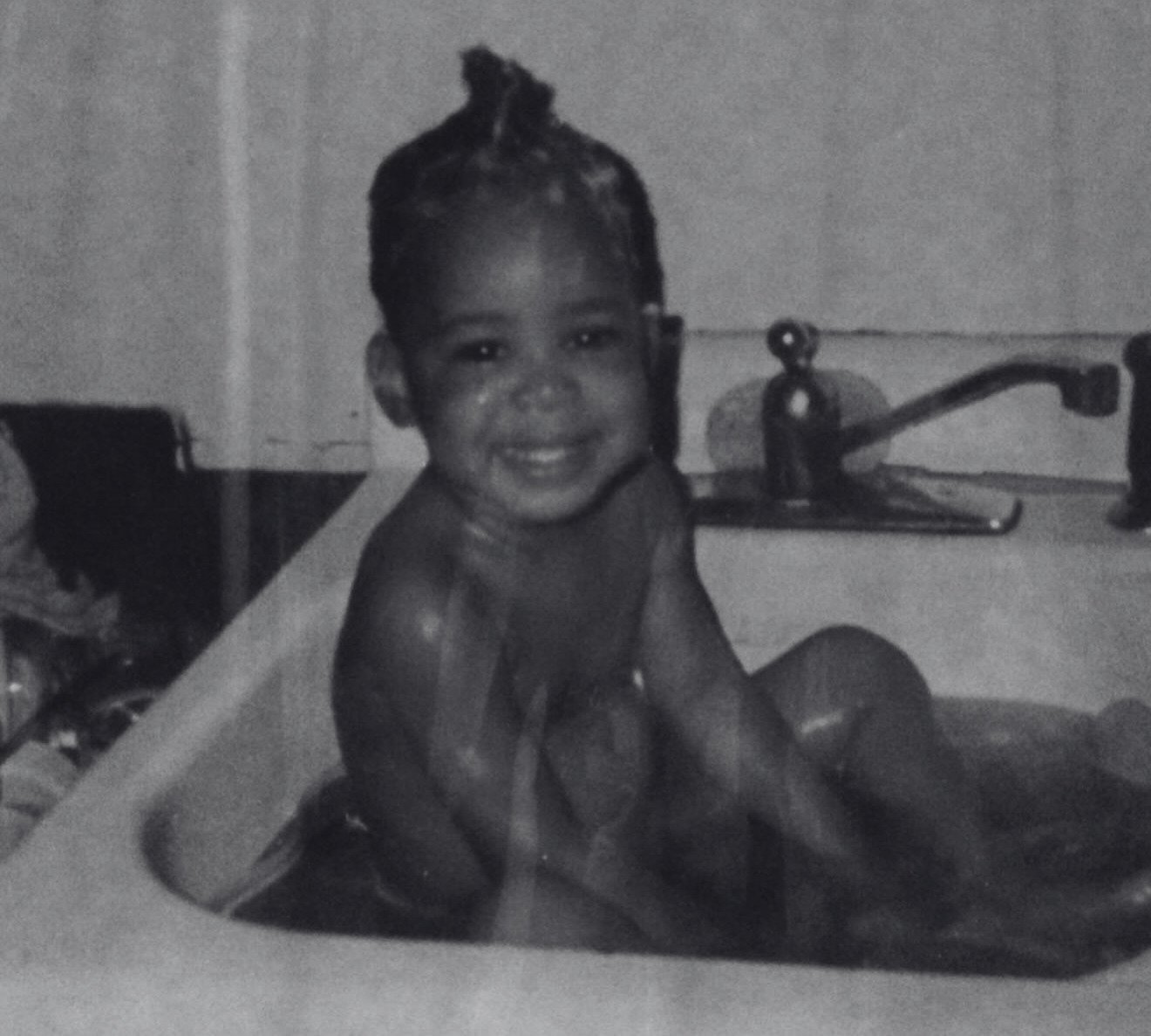
Shey grew up in the Mission Hill Projects in Roxbury, Boston, where basketball was part of everyday life.
Both of her parents played, and she remembers following her mother to games at the local YMCA, spending afternoons on outdoor courts, and being surrounded by a neighborhood that loved the sport.
"My childhood was amazing," she says. "I have nothing but good memories."
Her mother was the youngest of nine siblings, most of whom lived within a short drive of one another. Family cookouts, reunions, and neighborhood gatherings meant there was almost always someone around.
It was a community where people knew each other's families and looked out for one another.
Growing up, Shey's family couldn't always afford the newest clothes or sneakers. She remembers watching friends arrive with things she wanted but knew her parents couldn't necessarily provide.
But she also remembers people sharing what they had. Friends would offer her clothes. Neighbors welcomed kids into their homes for a sandwich or simply a place to spend time.
Her parents made sure she had what she needed, even when money was tight.
"We didn't have everything, but we had each other," she recalls. "I always felt loved, and we made the most of what we had."
As she got older, basketball began to represent more than something she enjoyed.
By high school, recruiting letters from colleges were beginning to arrive, and Shey started to understand how the game might open doors beyond her neighborhood.
It was an opportunity to pursue an education, experience new places, and create possibilities for herself that she hadn't previously imagined.
The game eventually earned her a college scholarship and opened the door to a professional career.
In 2012, Shey was drafted into the WNBA. But after being waived twice, she decided to stop pursuing the league and focus on playing overseas.
For someone who had always found success on the basketball court, the rejection was difficult.
"For the first time, I felt like I wasn't good enough," she remembers.
Over time, though, her perspective changed. Basketball had already given her a college education, taken her around the world, and allowed her to build a career doing something she loved.
"I didn't want the WNBA to define me as a player," she says. "Basketball had already given me so much, whether I made the league or not."
Still, there were difficult stretches, including the season overseas when she began thinking seriously about retiring.
That summer with her cousin helped her recognize that she hadn't stopped loving basketball. She'd simply lost some of the joy that had drawn her to the game in the first place.
She returned overseas, found a more fulfilling situation, and rediscovered that joy.
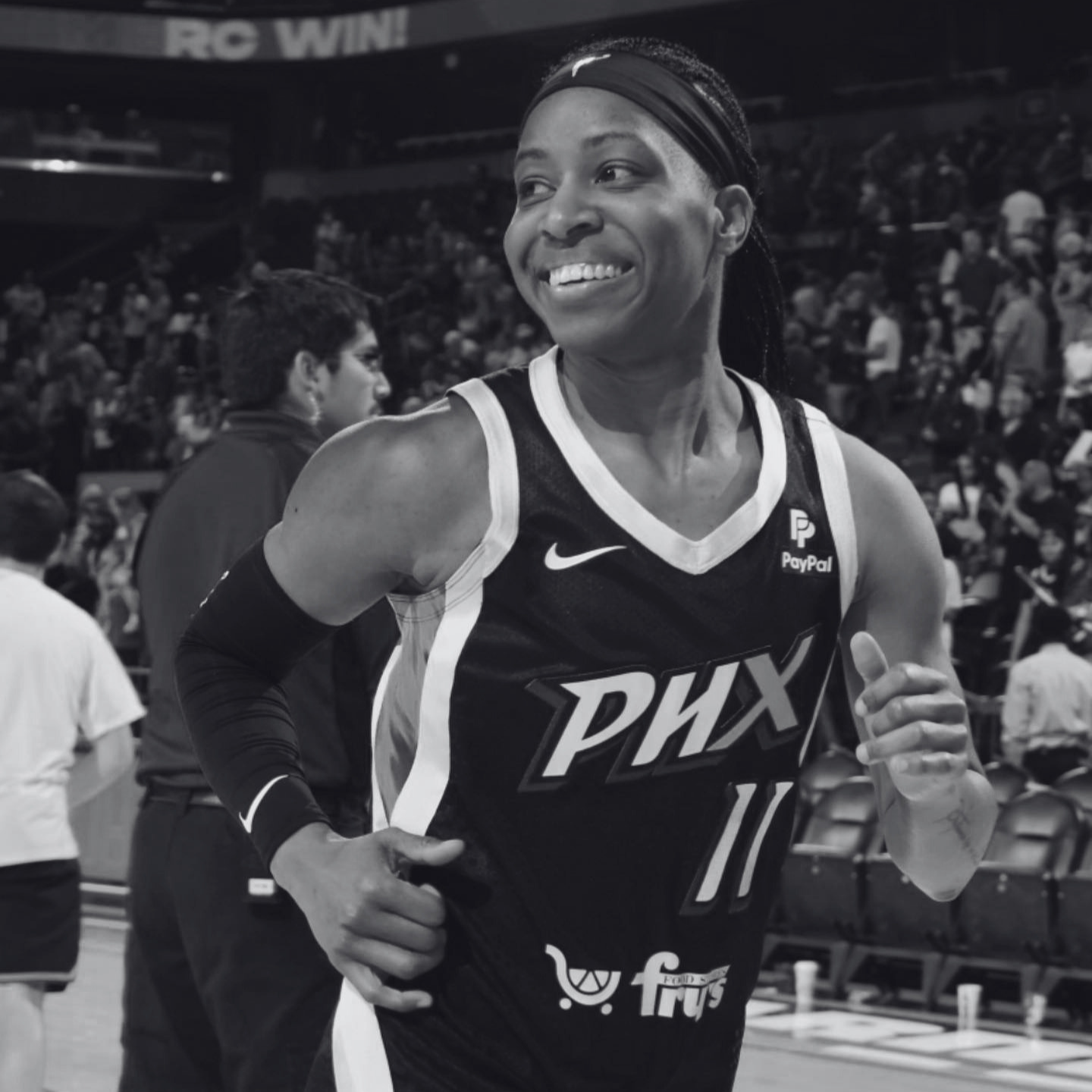
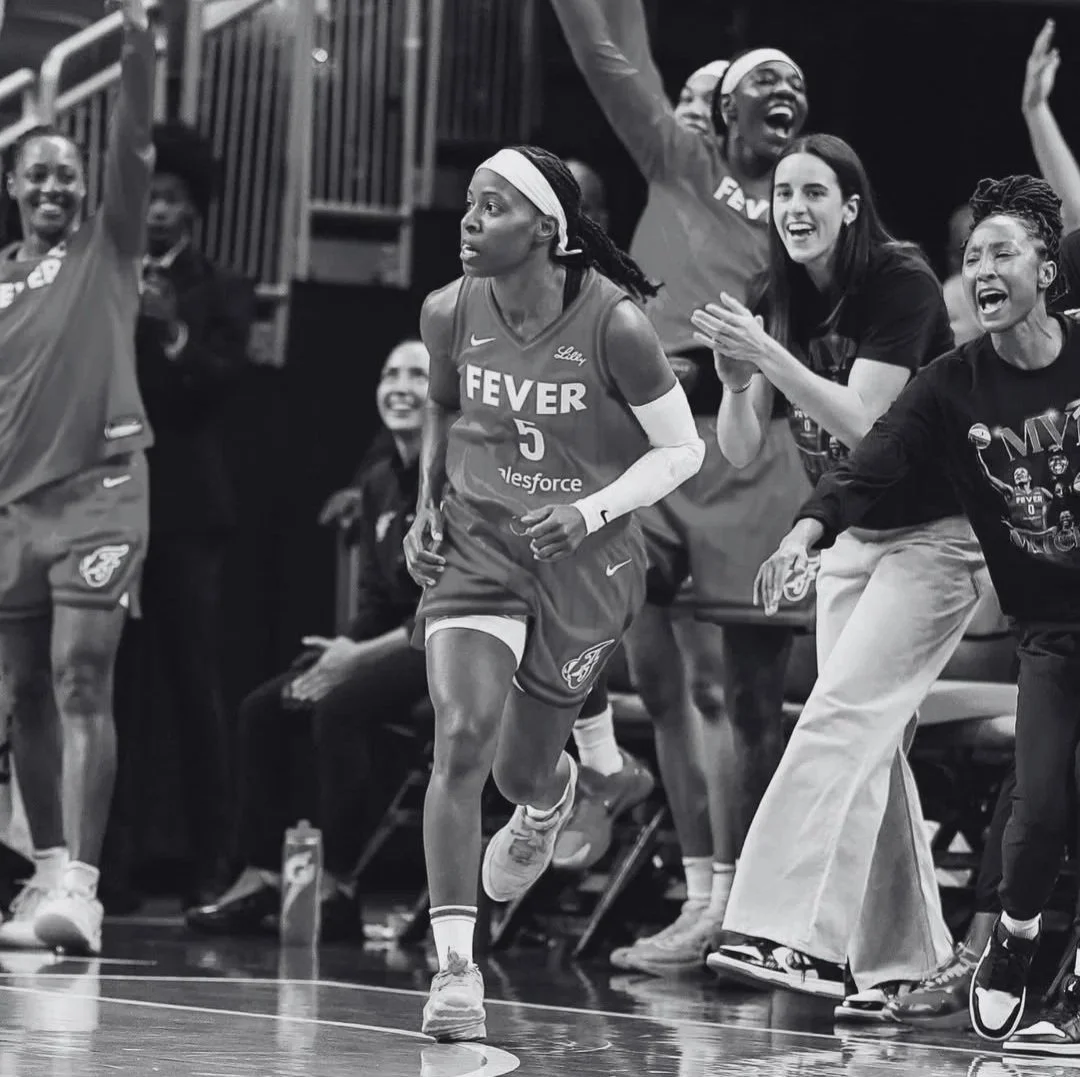
And in 2019, seven years after being drafted, Shey finally made her WNBA debut at age 30.
Her journey wasn't the one she'd imagined, but it taught her something she continues to carry with her.
"There's always another route to get where you want to go," she says. "Sometimes you just have to be patient and find your own way."
It's a belief she eventually had tattooed on her body: Patience is a virtue.
Growing up in Boston, Shey remembers watching older basketball players leave the neighborhood for college or professional careers and eventually return to run camps or spend time with kids.
Seeing someone from her community accomplish something beyond what she'd known made an impression on her.
"Seeing them come back made you feel like you could do it too," she recalls. "If they made it, maybe I could make it."
It wasn't necessarily about what those athletes said. Sometimes just seeing them back in the neighborhood was enough.
Shey has wanted to create that same feeling for someone else.
Before reaching the WNBA, she organized a free basketball clinic for young girls in Boston. With help from friends, she spent Saturdays teaching the game, running drills, and encouraging kids who reminded her of herself at their age.
Some of the girls continued reaching out afterward, asking for drills they could practice. Parents told her how much their daughters had enjoyed the experience.
For Shey, those interactions reinforced how meaningful it could be to simply show up, share something she loved, and take an interest in a young person's future.
Basketball had given her an opportunity to see the world and build a life beyond the neighborhood where she grew up. Now, it was giving her a way to create opportunities for others.
Her desire to give back, however, extends beyond basketball.
Shey remembers attending community programs with her mother around the holidays, where families could receive Thanksgiving food or Christmas gifts.
She remembers how much those resources meant to families like hers, and the generosity of the people who made them possible.
"I was one of those kids who benefited from programs like that," she says. "Now I want to be able to do the same for somebody else."
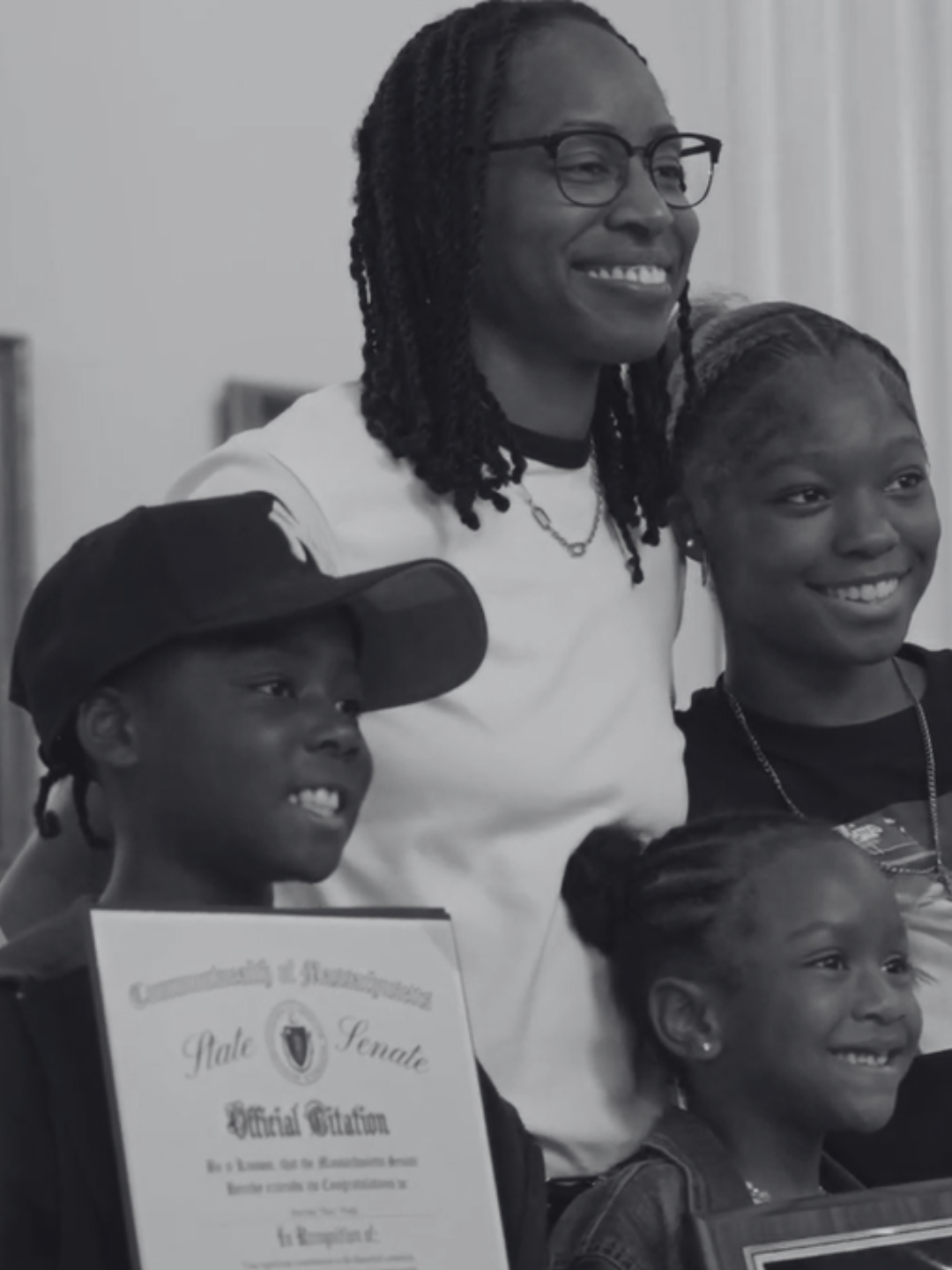
Those experiences have stayed with her, informing her desire to support young people and families through school supplies, sneakers, food, mentorship, and other resources that can make everyday life a little easier.
She understands that opportunity isn't always about helping someone become a professional athlete. Sometimes it's about giving a young person the support and confidence to pursue whatever matters to them.
Shey is still exploring what that work might look like. She's interested in learning from other athletes and organizations, finding opportunities to be personally involved, and supporting the communities that have meant so much to her.
But she's clear about the message she wants young people to take away from her journey.
"Be patient. Find your own way and move at your own pace. Don't compare your journey to somebody else's," she says. "And if you find something you truly love, give it everything you've got.”
Basketball has given Shey an education, a career, the chance to travel the world, and relationships that helped shape the person she became.
But one of the most meaningful experiences of her journey came on an ordinary summer afternoon, back on the courts where she'd first fallen in love with the game.
Her young cousin had simply wanted to learn basketball. He had no idea she was considering walking away from it.
And in helping him discover the joy of the game, Shey rediscovered it for herself.
Today, she wants to help young people discover what they're passionate about, recognize the opportunities in front of them, and know that someone believes in their potential.
She can't know where those opportunities might lead or what a few hours on a basketball court might mean to someone years from now.
But she knows what one afternoon meant to her.