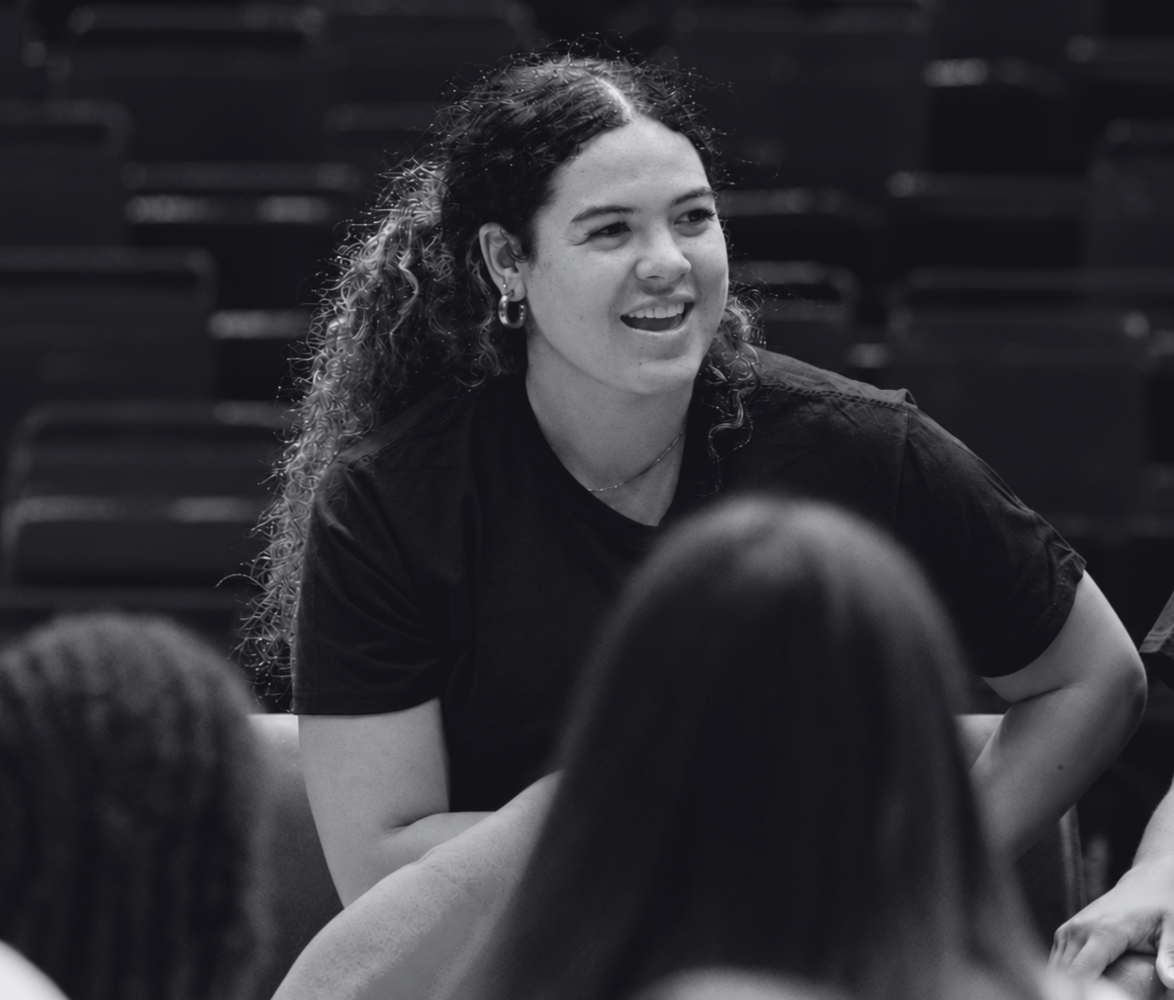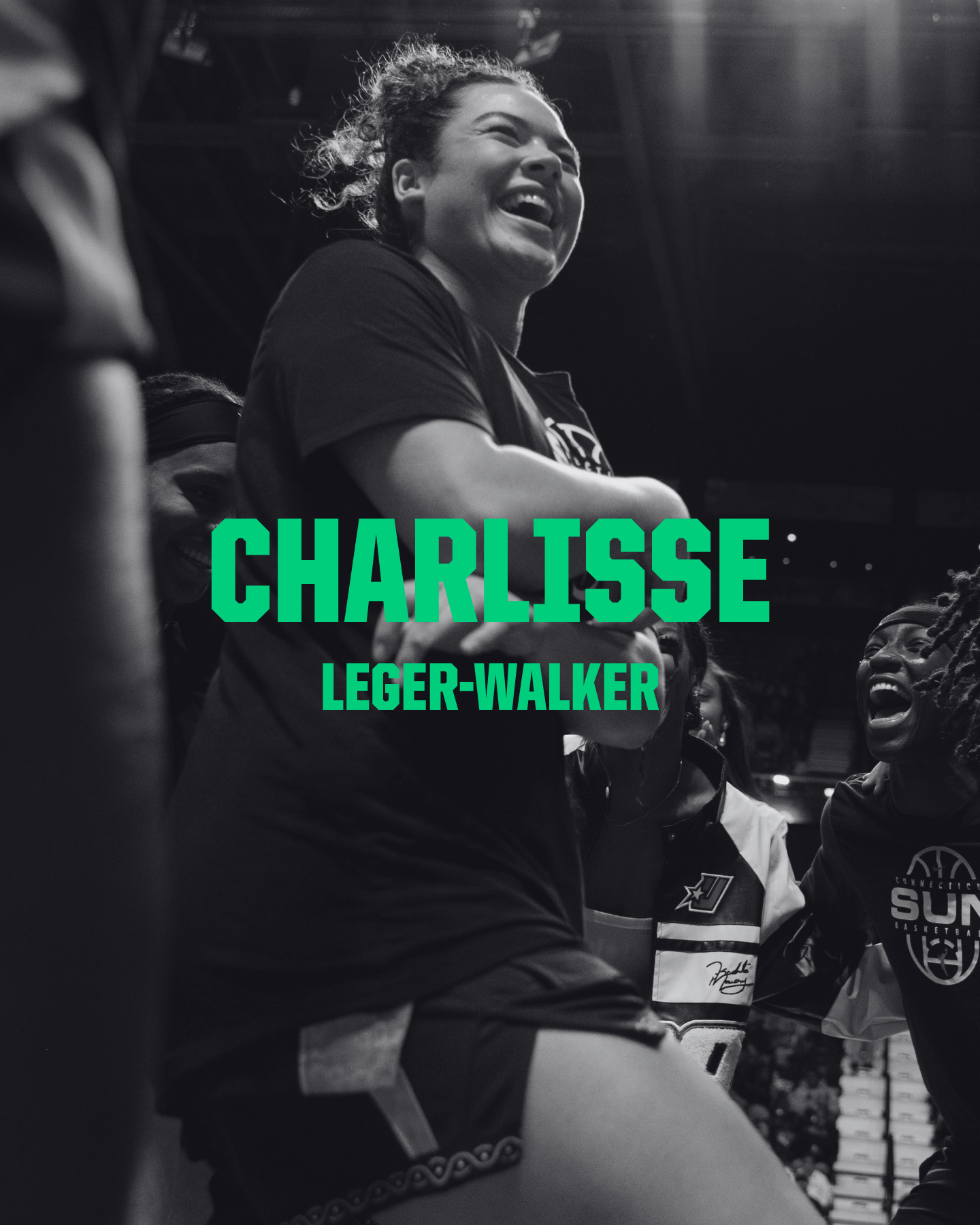
Growing up in New Zealand, Charlisse Leger-Walker spent plenty of time knocking on neighbors' doors selling avocados and kiwifruit. Her grandmother had a farm, and her mother had found a creative way to help cover the costs of pursuing basketball. Between camps, tournaments, and national team commitments, the expenses added up quickly, so Charlisse and her sisters would package up fruit, organize raffles, and raise whatever money they could to keep playing.
They did it so often that, after a few years, the neighbors knew who Charlisse was and when she'd be coming around again.
At the time, it was simply part of growing up in a basketball family. Her mother was an accomplished player who represented New Zealand internationally, and Charlisse had been around the game for as long as she could remember. She grew up attending camps and playing alongside friends, surrounded by a large extended family and a close-knit community.
"Community has always been a really big thing for me," she says. "In New Zealand, it's hard to separate family and community."
That sense of belonging helped shape Charlisse's journey, eventually taking her thousands of miles from home. But as she grew older, she began to recognize just how fortunate she'd been to have that support.
"I had a head start that most people don't get," she reflects.
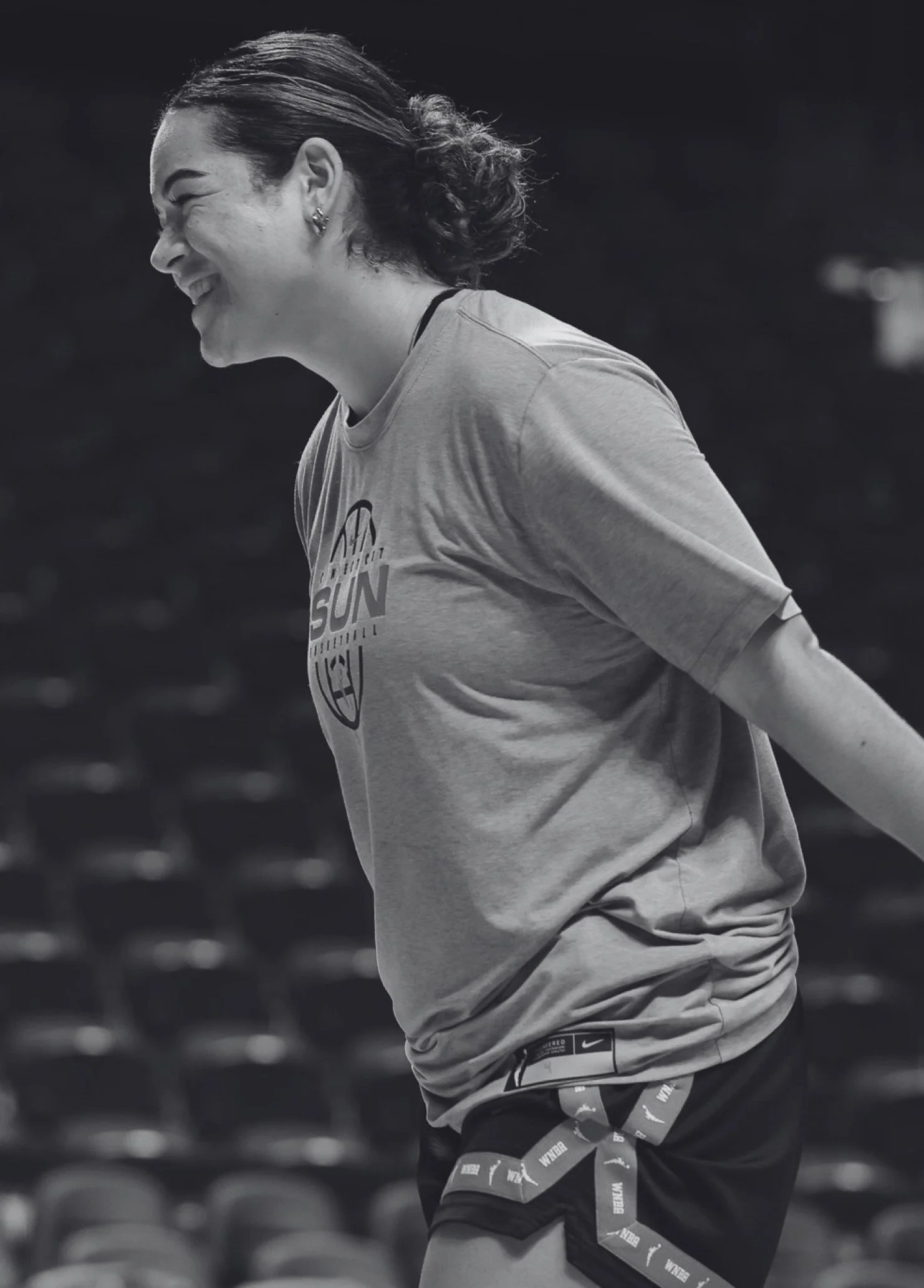
Reaching the highest levels of basketball required enormous dedication and sacrifice, but Charlisse understood that talent and hard work weren't always enough. She'd seen other young players with similar aspirations miss out on opportunities because their families couldn't afford the costs.
"Other people poured back into me and supported me on that journey," she says, recognizing how those early experiences influenced her desire to do the same for others.
Growing up in a Māori and Samoan family, Charlisse learned the importance of community, responsibility, and looking out for others. Her mother, who coached Charlisse and her sisters throughout their childhood, taught her to approach challenges with a philosophy that has stayed with her: "Don't make excuses, make adjustments."
Her father offered a complementary lesson. A former rugby league player himself, he understood competitive sports but was often the one reminding Charlisse that there was life beyond the court. Win or lose, he'd simply ask what she wanted to eat after a game, helping her understand that basketball was something she did, not everything she was.
That perspective became especially valuable when a serious knee injury disrupted her anticipated path toward professional basketball. The setback ultimately led her to UCLA, where she developed new relationships and gained experiences that extended well beyond the court. Looking back, she considers the injury one of the best things that happened in her career, largely because of the opportunities it opened and the lessons it reinforced.
"Your perspective is your power," she says, a message she now shares with younger athletes navigating their own challenges.
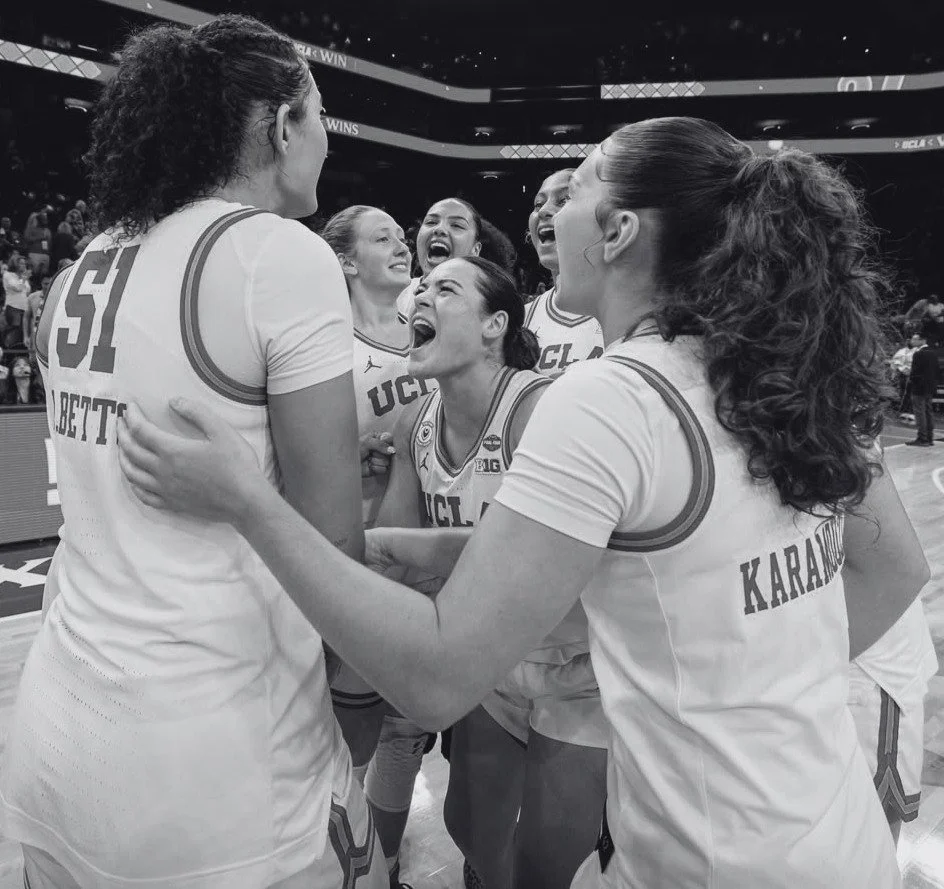
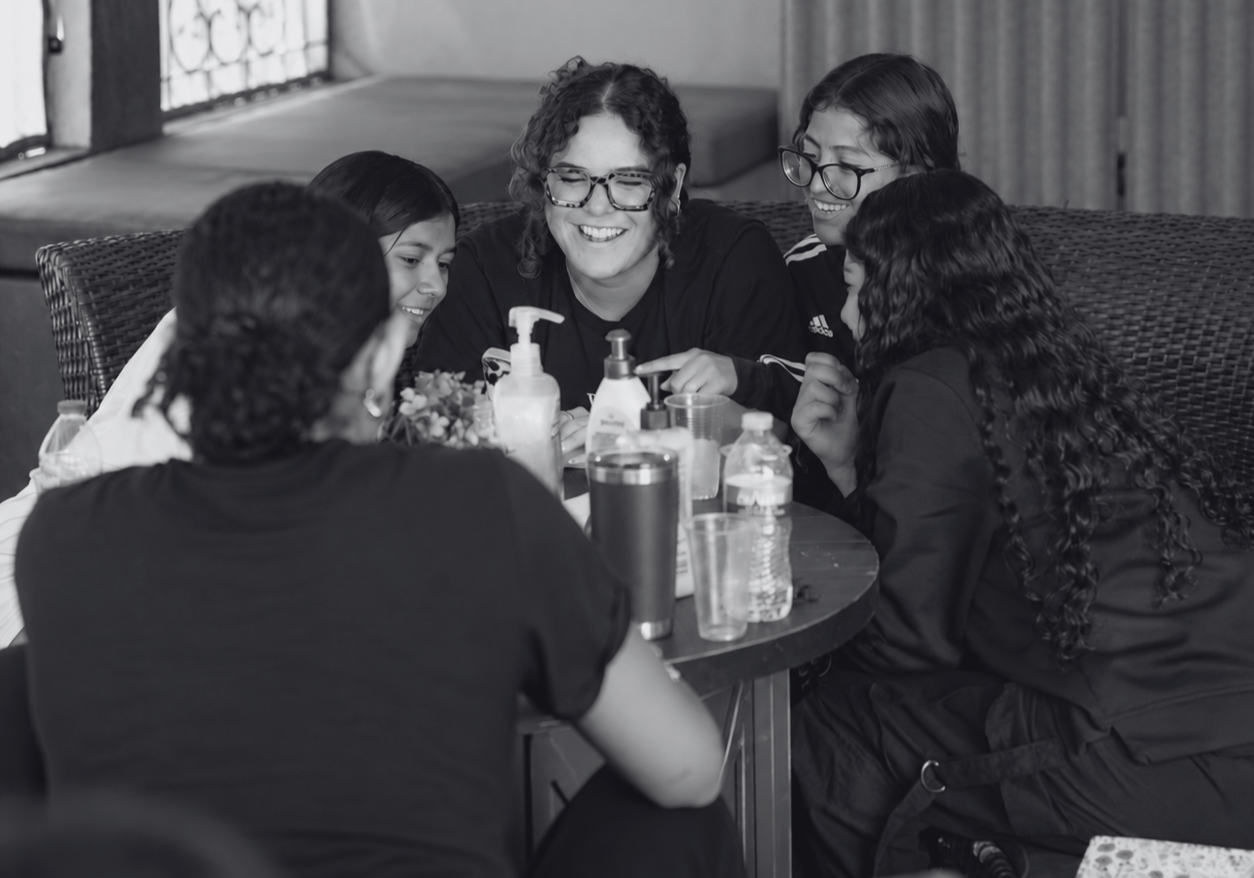
During her time at UCLA, Charlisse also participated in visits to a girls' home in Tijuana, Mexico, an experience that deepened her understanding of what it means to make a difference in someone's life.
She remembers the girls being shy and reserved during her earliest visits. There was a language barrier, and conversations sometimes involved passing phones back and forth to translate what they wanted to say. But Charlisse returned regularly throughout her two years at UCLA, gradually building relationships as the girls became more comfortable around her.
On one of her final visits, she stepped out of the car to find several girls running toward her, excited to show her videos of themselves cheering for UCLA. They'd been following her basketball career and were eager to ask questions about her life. Charlisse noticed how much more confident they'd become, particularly in their willingness to speak openly.
"Every time I went back, I could see them opening up a little more. Over time, we built genuine relationships," she recalls.
Some of those relationships have continued even after she left UCLA. The experience reinforced her belief in the importance of showing up consistently, building trust, and taking a genuine interest in the lives of others.
It's also a belief that continues to shape her vision for the Leger-Walker Academy, which she founded in New Zealand before leaving for college.
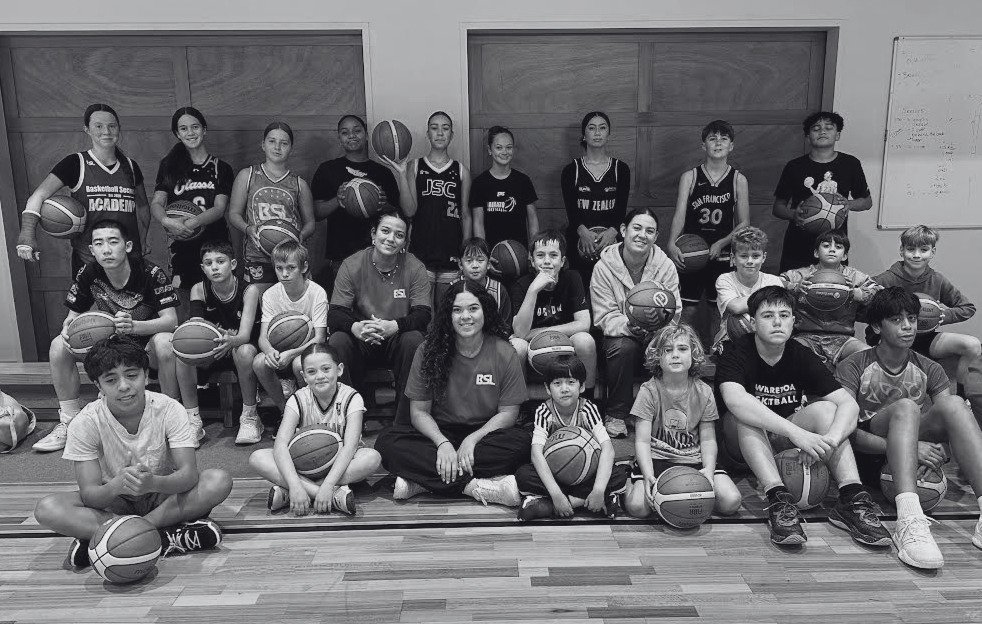
What began as a way to share her family's basketball knowledge with younger players has grown into a program offering regular basketball sessions and holiday camps. Charlisse's family has remained closely involved in running the Academy while she's pursued her career overseas, and although basketball remains the foundation, she sees an opportunity to provide much more.
Recently, while attending a national high school basketball tournament in New Zealand, she recognized three boys who had joined the Academy when they were younger. She remembered teaching them basic skills, including how to dribble between their legs. Now they were high school seniors, competing at a much higher level and beginning to ask about opportunities to play basketball in college.
Other families have found something equally meaningful through the Academy. Charlisse describes a mother who began bringing her young son to sessions shortly after experiencing a difficult loss in their family. Over time, their relationship with the Leger-Walkers grew beyond basketball. They visit one another, share meals, and remain involved in each other's lives, with the Academy becoming a consistent source of support and connection.
For Charlisse, those relationships are among the most rewarding parts of the work. She particularly enjoys watching young athletes grow more comfortable and confident, especially those who initially struggle to put themselves forward.
"They just need somebody who believes in them," she explains.
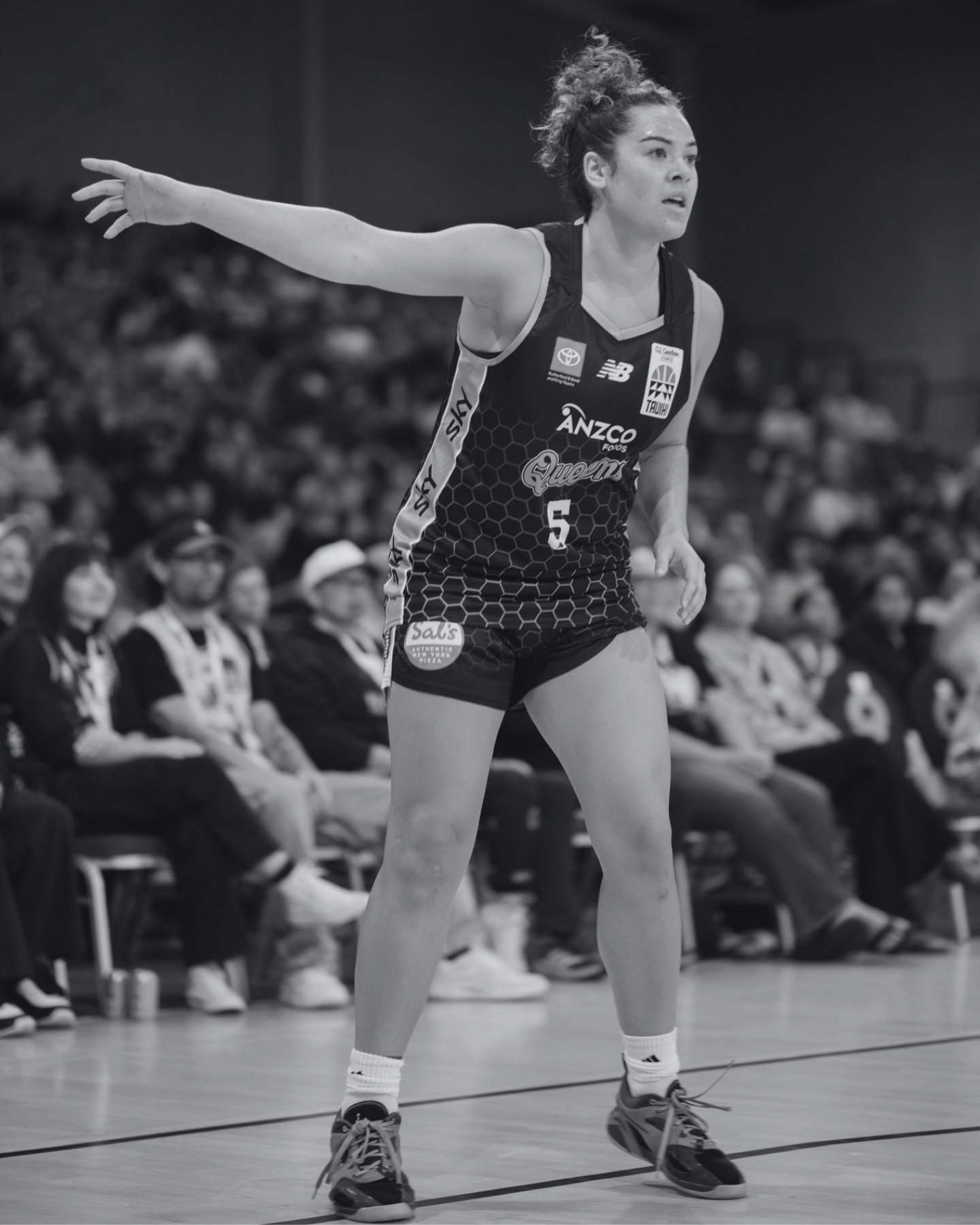
That commitment is reflected in how the Academy operates. Each school year, it sponsors several children who might otherwise struggle to afford participation fees, while fundraising efforts help cover tournament costs. The Academy has also organized clothing and shoe drives, collaborated with community organizations, and introduced free educational sessions.
Still, Charlisse recognizes that affordability is only one of the barriers facing young athletes in New Zealand.
Having experienced the American college system and reached the WNBA, she's become increasingly aware of the gaps in knowledge and support available to young people hoping to follow similar pathways. Families often have questions about recruiting, academic requirements, scholarships, and the realities of moving overseas, but few places to turn for guidance. For athletes leaving close-knit communities, particularly those from Māori and Polynesian backgrounds, the cultural adjustment can be just as challenging.
Charlisse hopes the Academy can eventually prepare young people for those experiences by combining basketball development with education, mentorship, and practical support.
She's already exploring that vision alongside her older sister through free sessions in communities across New Zealand, sharing their experiences with mental resilience, college pathways, and overcoming adversity. At one gathering, a young player asked Charlisse how she'd managed to work through her knee injury, opening a conversation about mindset and learning to adapt when life doesn't unfold as expected.
Her longer-term goal is to develop the Academy into what she describes as an "all-encompassing" hub, serving young people from grassroots basketball through elite pathways, while ensuring that financial circumstances don't determine who gets to participate.
Ultimately, her motivation comes back to the opportunities that shaped her own life.
"If I can help young people access even half the opportunities I've had, I think it could change their lives," she says.
Having reached the WNBA, Charlisse finds herself in a position that still feels remarkable to her. She's gained access to relationships, resources, and experiences that few young basketball players from New Zealand have encountered, and she's increasingly aware of the responsibility that comes with that opportunity.
"I just feel like it's selfish of me not to share that back," she says.
The Academy is still evolving, and Charlisse knows realizing her broader vision will take time and support. But she's already seeing what can happen when young people are surrounded by people willing to invest in their potential.
And in some ways, the work looks remarkably similar to what helped make her own journey possible.
The Academy still organizes raffles and other fundraising activities to help families afford basketball opportunities. When Charlisse and her family visit her grandmother's farm, they'll sometimes bring back avocados for the children to sell, just as she did growing up.
Years ago, those fundraising efforts helped a young girl from New Zealand pursue a dream that eventually carried her to the WNBA. Today, they're helping another generation of young players take their own next steps, supported by someone who understands just how much a little help along the way can mean.